This shows how a harp can be played.
This video shows how violins can be played in different ways.
The cello can sound in differents ways:
This music can be played by a flute
ORCHESTRA GAME:
http://www.musicgames.net/livegames/orchestra/orchestra2.htm
ORCHESTRA INFO:
https://www.knowitall.org/series/be-music-critic?page=1
The piano:
miércoles, 24 de marzo de 2021

domingo, 21 de marzo de 2021
viernes, 19 de marzo de 2021
Beethoven’s Fifth is the future of classical music
Jonathan Okseniuk
Jonathan Okseniuk, who is now ten years old, gave this spectacular show of conducting the fourth movement of Beethoven’s Symphony No.5 when he was just three years old. We are still in slight disbelief at the toddler's ability to deliver clear actions, fluid movement and animated facial expressions for the orchestra .
At the age of four, Jonathan conducted the full Chandler Symphony orchestra, and the year after that, he conducted the fourth movement of Mozart’s Eine Kleine Nachtmusik, on a TV talk show. Jonathan is officially a musical prodigy.
Nowadays he plays violin.
Jonathan Okseniuk, accompanied by Qingqing Ye, performs the Mozart Violin Concerto No. 3 in G major,
Marcin Patrzalek:
known mononymously as Marcin, is a Polish percussive fingerstyle guitarist, composer and producer. He is known for combining fingerstyle, ...
David Garrett:
performing The 5th.
1- What do the 2 last videos have in commom?
2-Can you recognize the song?how?
3-What are the differences?
4-Why do they do it?
5-Did you know them?
6-Which one do you like most?
miércoles, 17 de marzo de 2021
STAND BY ME- BEN E.KING
1-Listen to the song
2-Listen to the song and fill the gaps.

3-Listen to the song and focus on the structure (parts) and the instruments.
4-Sing the song
Del galardonado documental, Playing For Change: Peace Through Music, llega "Stand By Me", el primero de muchos Songs Around The World producido por Playing For Change.
Este clásico de Ben E. King presenta a músicos de todo el mundo grabados por el equipo Playing For Change durante sus viajes. Esta canción continúa recordándonos que la música tiene el poder de romper fronteras y superar las distancias entre las personas.
1-Identify the countries that appear in the video(there are at least 10)
2-How many musical instruments are played in the video? Make a list of them.
3-There's an old man singing and playing the harmonics.Can you describe him?What's is his name?
4-What is the topic of the lyrics?
5-Explain the title of the video.
6-Write the synonyms of the following words:
-Dark
-Afraid
-Stand by
-Look upon


Founded in 2007, Playing For Change Foundation was established to create positive change through music and arts education.
They teach music to the children in areas that are rich in cultural traditions but limited in economic resourcers all over the world. They do not have to pay .
Students in PFCF programs report increased confidence, better learning in math, reading, and a belief in a positive future.
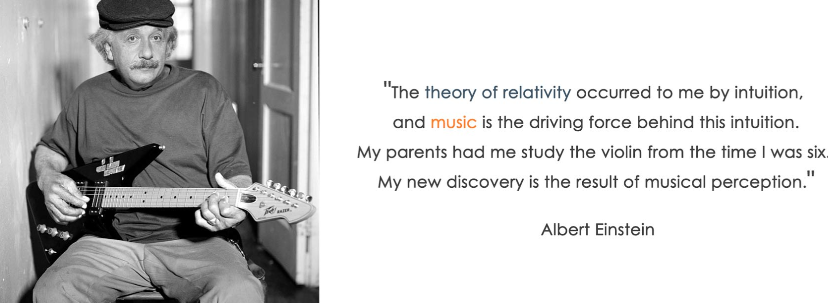
WHY MUSIC?

6-ANSWER QUESTIONS:
A-WHAT IS THE PLAYING FOR CHANGE FOUNDATION?
B-WHEN DID THEY BEGIN ?
C-IS THEIR ACTIVITIE EXPENSIVE?
D- WHAT HAS SCIENCE SHOWN ABOT LEARNING MUSIC?
E-WHAT DOES THE DOCTOR LAUREL TRAINOR SAY?
lunes, 15 de marzo de 2021
QUIZZIZ-VOCAL ANATOMY
REVIEW: CLICK ON THE BLUE WORDS
1. A voice needs: vocal folds, a resonating space and…
a. Chocolate
b. A glass of port
c. Breath
2. Where is your larynx?
a. In my throat
b. In my boots
c. We don’t talk about that in polite society
3. In order to sing higher you have to…
a. Inhale helium
b. Vibrate your vocal folds faster
c. Engage your gluteus maximus
4. The sound comes out…
a. Of my mouth or nose (or both)
b. Only after 11am
c. Of the top of my head
5. Your diaphragm…
a. Can be felt by putting your hand on your abdomen
b. Can be felt by putting your hands around your waist
c. Can’t be felt from the outside
6. The diaphragm is used for…
a. Breathing in
b. Carrying the shopping
c. Birth control
7. The only thing in your vocal tract that doesn’t move is…
a. Your hard palate
b. Your larynx
c. Your eyebrows
8. Men’s vocal folds are…
a. Usually longer and thicker than women’s
b. Prepare to saying things they don’t mean
c. A complete mystery
9. Your voice will be healthier if every day you drink…
a. A litre of strong black coffee
b. A bottle of coke
c. About 2 litres of plain water
10. Most songs cover…
a. 1.5 octaves, that’s comfortable for me
b. 5 notes, small but perfectly formed
c. 5 octaves, I put all my whistle and creak notes into every song
11. Having a healthy voice means…
a. You can sing higher and louder than anyone else in your country
b. You can express yourself clearly without getting a tired voice
c. You have your own YouTube channel
GUESS THE TITLE
2-This second word cloud contains the song title. Did
you get it right?

Lyrics:
What A Wonderful World
Louis Armstrong
I see trees of green, red roses too
I see them bloom for me and you
And I think to myself what a wonderful world.
I see skies of blue and clouds of white
The bright blessed day, the dark sacred night
And I think to myself what a wonderful world.
The colors of the rainbow so pretty in the sky
Are also on the faces of people going by
I see friends shaking hands saying how do you do
They're really saying I love you.
I hear babies crying, I watch them grow
They'll learn much more than I'll never know
And I think to myself what a wonderful world
Yes I think to myself what a wonderful world.
Questions:
1.What makes this a wonderful world for you?
2-Put in pairs and check 2 lines of the song. Imagine that you have been contracted to make a video for the song.What images will you include?
Think about who is in the video, where
it's set, what's happening, when and why.
3-Now tell the rest of the class what images agreed on.
4-Let's play the video so that you can compare your images with the ones used in the video.
The naturalist David Attenborough narrates the Louis Armstrong classic What A Wonderful World:
Now let's see a video. Playing for change is a multimedia music proyect created by the American producer and sound engineer Mark Johnson with his Timeless Media Group, that seeks to inspire, connect, and bring peace to the world through music.
1.What makes this a wonderful world for you?
2-Put in pairs and check 2 lines of the song. Imagine that you have been contracted to make a video for the song.What images will you include?
Think about who is in the video, where
it's set, what's happening, when and why.
3-Now tell the rest of the class what images agreed on.
4-Let's play the video so that you can compare your images with the ones used in the video.
The naturalist David Attenborough narrates the Louis Armstrong classic What A Wonderful World:
6-Note down : all the animals and geographical features that you can see in the video.
7-Structure of the song.
8-Instruments they use.
.
Now let's see a video. Playing for change is a multimedia music proyect created by the American producer and sound engineer Mark Johnson with his Timeless Media Group, that seeks to inspire, connect, and bring peace to the world through music.
Playing For Change also created a separate non-profit organization called the Playing For Change Foundation, which builds music schools for children around the world.
"What a Wonderful World" featuring Grandpa Elliott (street musician) with children's choirs across the globe.
Le'ts listen to the original song by Louis Armstrong
Official video:
"What a Wonderful World" featuring Grandpa Elliott (street musician) with children's choirs across the globe.
Le'ts listen to the original song by Louis Armstrong
READ THE TEXT
Louis Armstrong was a trumpeter, bandleader ,singer soloist, film star and comedian. Considered one of the most influential artists in jazz history , he is known for songs like "La vie in rose" and "what a wonderful world".
Who Was Louis Armstrong?
Louis Armstrong, nicknamed "Satchmo," "Pops" and, later, "Ambassador Satch," was a native of New Orleans, Louisiana. An all-star virtuoso, he came to prominence in the 1920s, influencing countless musicians with both his daring trumpet style and unique vocals.
Armstrong's charismatic stage presence impressed not only the jazz world but all of popular music. He recorded several songs throughout his career, including he is known for songs like "Star Dust," "La Vie En Rose" and "What a Wonderful World."
Early Life
Louis Armstrong was born on August 4, 1901, in New Orleans, Louisiana, in a neighborhood so poor that it was nicknamed "The Battlefield."
Armstrong had a difficult childhood: His father was a factory worker and abandoned the family soon after Louis's birth. His mother, who often turned to prostitution, frequently left him with his maternal grandmother. Armstrong was obligated to leave school in the fifth grade to begin working.
A local Jewish family, the Karnofskys, gave young Armstrong a job collecting junk and delivering coal. They also encouraged him to sing and often invited him into their home for meals.
On New Year's Eve in 1912, Armstrong fired his stepfather's gun in the air during a New Year's Eve celebration and was arrested on the spot. He was then sent to the Colored Waif's Home for Boys.
There, he received musical instruction on the cornet and fell in love with music. In 1914, the home released him, and he immediately began dreaming of a life making music. He was a very good singer too.
He began to play in a band called band All of the above.
Joe Oliver became Louis Armstrong's mentor while he was still a young musician.
One day he forgot the lyrics in a concert of a song and began to made up words, this is called scat, and he was his inventor.
Louis Armstrong sung a lot of songs, but with Hello Dolly song ,made it all the way to #1 on the charts.
Louis Armstrong wrote several books and starred in several movies throughout his career.
Answer the QUESTIONS:
1. Where was Louis Armstrong born?
a. New Orleans
b. New York
c. Chicago
d. Atlanta
e. Birmingham
2. What type of music is Louis Armstrong known for?
a. Hip Hop
b. Rap
c. Blues
d. Jazz
e. Rock
3. What band did Louis Armstrong play in?
a. The All Stars
b. Tuxedo Brass Band
c. Kid Ory's Band
d. The Fletcher Henderson Orchestra
e. All of the above
4. Who became Louis Armstrong's mentor while he was still a young musician?
a. William Johnson
b. Joe Oliver
c. Eddie Williams
d. Burt Orlando
e. Mike Trumpet
5. Which of the following was Louis Armstrong's most famous nickname?
a. Cheeks
b. Cannonball
c. Satchmo
d. Duke
e. Dizzy
6. True or False: Louis Armstrong only played instruments as he wasn't a good singer.
a. TRUE
b. FALSE
7. What instrument did Louis Armstrong play at the early stages of his jazz career?
a. Trombone
b. Bass
c. Guitar
d. Cornet
e. Piano
8. Louis Armstrong is often credited with inventing scat. What is 'scat'?
a. A vocal style using made up words
b. When a trumpet player improvises a solo
c. A fun type of dancing to jazz music
d. A type of jazz where there is no singer or drums
e. A musical style that incorporates both classical music and big band
9. What Louis Armstrong song made it all the way to #1 on the charts?
a. It Don't Mean a Thing
b. Ain't Misbehavin
c. Hello Dolly!
d. Feeling Good
e. Minnie the Moocher
10. True or False: Louis Armstrong wrote several books and starred in several movies throughout his career.
a. TRUE
b. FALSE
Official video:
IN GROUPS OF 4 CREATE A RAP, WITH THE SENTENCES YOU HAVE CHOSEN. YOU CAN INCLUDE MORE.
SOME RAPS CREATED BY STUDENTS :
1-
The colours of the rainbow ( solo)
the colours of the rainbow( all together)
so pretty in the sky ( solo)
so pretty in the sky ( all together)
I see people in the class x2
they don't have the mask x2
the corona has finished x2
and this song too
2-
I love you
I like you
I love you
but you don't like me
lies and lies
tell him the truth
that you are fallen in love with me
don't make him
feel fantasy
I love you
I like you
I love you
I hear babies coming
with you the days are wonderfull
the sky blue
and with the roses
you don't see
that he is toxic
3-
"YOU" I see trees of green, red roses too
I see them bloom for me and you " YOU YOU"
The colors of the rainbow, so pretty in the sky "YOU"
I see friends throwing cookies " YOU YOU"
They're really saying
I love you, I love you
" YOU YOU"
" YOU YOU"
" YOU YOU"
4-
The colors of the rainbow so pretty in the sky
you didn't see coming
wow----wow....wow....
I see skies blue and clouds of white
you didn't see coming
I hear babies crying, I watch them grow
sweet dreams are made of this and
I think to myself what a wonderful world
I feel the need for speed
AUUU¡¡¡
martes, 9 de marzo de 2021
Nanette, la fabricante de pianos que supo susurrar a la sordera de Beethoven
Nannette Streicher, a woman previously believed to be a mother figure for and a ‘fine pianist’, has had her true talents diminished by music scholars( eruditos) and was actually the one building young Ludwig’s – a journalist for the argues.
Here’s how the story goes. Beethoven first met Nannette Streicher, when he was a boy of 16, returning from his trip to Vienna in 1787 to see .
Nannette was the daughter of a renowned piano and organ builder, Johann Andreas Stein. The family lived in Augsburg, where Beethoven stopped on his return to Bonn.
Nannette was herself a highly talented pianist, and – as Ludwig had just done – had played for Mozart in Vienna. Mozart wrote to his father in 1777 describing her as a very talented pianist who might one day become a great pianist.
Soon, Nannette picked up many of her father’s skills and gained a reputation as an expert craftswoman in her own right.
Two years after her father’s death, she married a man named Johann Andreas Streicher in 1794.
The couple immediately moved to Vienna, where they established a piano factory in the Landstrasse suburb of the city. The Streichers made many pianos for Beethoven, who was highly complimentary about them.

Here’s where New York Times journalist Patricia Morrisroe jumps in. Nannette is remembered in the history books as the wife of ‘acclaimed piano builder, Johann Andreas Streicher’. But she was actually the one who owned the piano factory, and employed her husband, a pianist and teacher.
“Many Beethoven scholars, perhaps finding it inconceivable that an 18th-century woman could build a piano, have turned Andreas into the manufacturer and Nannette into his shadowy helpmate,” Morrisroe says.
The Streichers’ house became a centre for musical events, which took place on Monday mornings and were frequented by Vienna’s leading musicians. It is beyond doubt that Beethoven will have performed there on many occasions.
On top of her musical craft, Nannette also acted as a kind of surrogate mother to Beethoven.
She was always on hand to look after him during his frequent bouts of illness, and Beethoven turned to her regularly for advice on domestic matters – particularly after he had become guardian of his nephew, Karl.
Nanette and her husband died in the same year after 39 years of marriage. They are buried together in the musicians’ quarter of the Zentralfriedhof – main cemetery – south of Vienna. Their grave is facing Beethoven’s
¿Fue la música la que rescató a Beethoven de la locura?
Was it music that rescued Beethoven from madness?

Al igual que Beethoven , Nanette Streicher nació en Alemania y murió en Viena.
Todo parecía apuntar a que al casarse Nanette con su marido ,que era pianista, tendría que abandonar la vida musical activa, como le pasaba a todas las mujeres de su época, pero no fue así.
En Viena, se convirtió en toda una empresaria al dirigir el negocio de pianos de su padre. Al principio compartió el cargo con su hermano, pero pronto quedó ella a la cabeza de todo y lo llegó a convertir en una de las fábricas de pianos más importantes de la época.
Pero Nanette no se dedicó exclusivamente a la fabricación de pianos. También continuó con su faceta de pianista, e incluso realizaba duetos con su marido. Tanto éxito alcanzaron que incluso llenaban su propio salón de conciertos, donde como novedad, permitían a pianistas jóvenes que se diesen a conocer.
Nanette continued her role as a pianist and a maker of pianos.
Gracias a esta popularidad, el matrimonio también se convirtió en uno de los fundadores de la Sociedad Amigos de la Música de Viena, con el fin de fomentar la música en todos sus ámbitos.
Nanette fue una de las mejores constructoras de pianos de la época y fue la mejor que comprendió a Beethoven. Creó pianos especiales para que compensaran su sordera .
De esta manera, Nanette se convirtió no solo en una líder de la construcción de pianos –producía de 50 a 65 instrumentos de calidad al año–, sino que también dió con un audífono en forma de instrumento para el compositor.
No obstante, hasta ahora no se ha rescatado su figura ni se ha valorado su capacidad de liberar a Beethoven de la locura para apoyarle a la hora de hacer historia con la música.
1-Who has discovered this story?
2-Why had the history forgotten her?
3-When did she meet Beethoven?
4-Who was her father?
5-What did he say to Mozart about her ?
6-When did she get married?and where did they go?
7-Where was she born?
8-What did she really do?
9-How did she help Beethoven?
10-Your opinion about this almost forgotten woman
lunes, 8 de marzo de 2021
BEETHOVEN IN THE STREET
1-WHAT INSTRUMENT IS PLAYING THE LITTLE GIRL?
2-WHAT INSTRUMENT IS PLAYING THE MAN AT THE BEGINNING?
3-WHAT SONG ARE THEY PLAYING?
4-WHERE ARE THERE?
5-WHICH ARE THE NAMES OF THE INSTRUMENTS THAT THEY ARE PLAYED SAT?
6-WHY DOES THE BOY REMOVE THE HEADPHONES?
7-WHY DO PEOPLE REC THE MUSICIANS?
8-DO YOU KNOW THE NAME OF THE INSTRUMENT THAT 2 WOMEN PLAY ALONE IN MINUTE 4:39?
9-IN GENERAL HOW CAN YOU SEE THE PEOPLE IN THE VIDEO , HAPPY OR UNHAPPY?
10-WHY?
jueves, 25 de febrero de 2021
HOW DOES THE WIND SOUND LIKE THE WIND ON MARS?
(Gracias a Tess Coll por darme la idea)
Surely you already know that the PERSEVERANCE spacecraft landed on MARS last Thrusday, February 18. Since that day Nasa has been offering us incredible high resolution photos sent by the rover that is right now 200 million kilometres from Earth.
Pero ¿alguna vez pensaste que tendrías la oportunidad de escuchar el sonido del viento en la superficie de otro planeta?
NASA has released 2 impressive audios of 15 seconds.This is the first sound recording to be made on the red planet.
The first of the audios( you can listen to both audios by clicking on the word sounds ) is clean of the hum of the PERSEVERANCE engines, while in the second you can listen to the original sound without filtering.
Merece la pena porque en ambos escucharás el sonido del viento marciano.Te recomiendo que lo escuches con auriculares porque tienen muy poca intensidad.

SOUNDS
Si te interesa el tema no te pierdas el vídeo en alta resolución del aterrizaje, realizado gracias a las numerosas cámaras instaladas en la Perseverance. Increíble la visión de la apertura del paracaídas de 27 metros de diámetro para frenar la velocidad de la nave, cómo se van separando las diferentes partes a medida que va cayendo y la polvareda de tierra roja que se levanta al acercarse a la superficie.
En el montaje han ido combinando tomas de las diferentes cámaras para que podamos ver todas las fases del aterrizaje desde diferentes puntos de vista
.
Una curiosidad: las temperaturas en Marte ayer fueron de -8ºC la más alta y -74ºC la más baja.
Gustav Holst
September 21, 1874 - May 25, 1934
Known primarily for The Planets, Gustav Holst also composed other music, played the trombone and taught at a girl's school in London. His father taught him piano at an early age, but a nerve disease cut his career as a pianist short. ST
Holst was very interested in Hindu literature and philosophy and even learned Sanskrit so that he could translate passages written in this language himself. This religion influences many of his works.
Because of his jobs as a trombonist and a teacher, Holst did most of his composing in his spare time. The success of The Planets thrust him suddenly into the spotlight, where he was not very comfortable. However, it also insured his financial well-being. Because of illness, Holst gave up teaching in 1925 and was able to spend the next several years writing music. His works include operas, choral music, orchestral pieces and songs.
THE PLANETS BY HOLST:
MARS
Mars, the Bringer of War
lunes, 15 de febrero de 2021
The human voice 1 -Las voces en la música-activities
Theory about vocal system:
Presentación tema:
click the link:
rid=1238511684168_611077139_27137&partName=htmltext


THE VOICES IN THE MUSIC:
http://popplet.com/app/#/179345
EXAMPLES OF THE VOICES:
http://mariajesuscamino.com/cuadernia/Cuadernia-Voz/
EXAMPLES OF VOCAL GROUPS:
https://www.tes.com/lessons/zHRXMFt0z9nXAA/agrupaciones-vocales-videos
THE VOCAL INSTRUMENT:
http://popplet.com/app/#/1542266
https://cmapspublic.ihmc.us/servlet/SBReadResourceServlet?
VOICES CLASSIFICATION:
http://popplet.com/app/#/213057
https://musicameruelo.files.wordpress.com/2014/01/voces.png
https://www.thinglink.com/scene/751333544260796418?buttonSource=viewLimits
What do you remember?
INTERACTIVE ACTIVITIES:
http://mariajesuscamino.com/exe/activvoz/
CROSSWORD PUZZLE:
https://www.educaplay.com/learning-resources/7277-el_instrumento_vocal.html
MATCHING GAME:
https://www.educaplay.com/learning-resources/7279-el_instrumento_vocal.html
VOICES CLASSIFICATION:
https://www.goconqr.com/es-ES/p/4417642
VOICES PUZZLE
https://www.jigsawplanet.com/?rc=play&pid=1e06321dd428
VOICE KAHOOT:
https://create.kahoot.it/share/9d3bc914-f5a3-47a7-a94b-db183b17e11e
Presentación tema:
click the link:
rid=1238511684168_611077139_27137&partName=htmltext

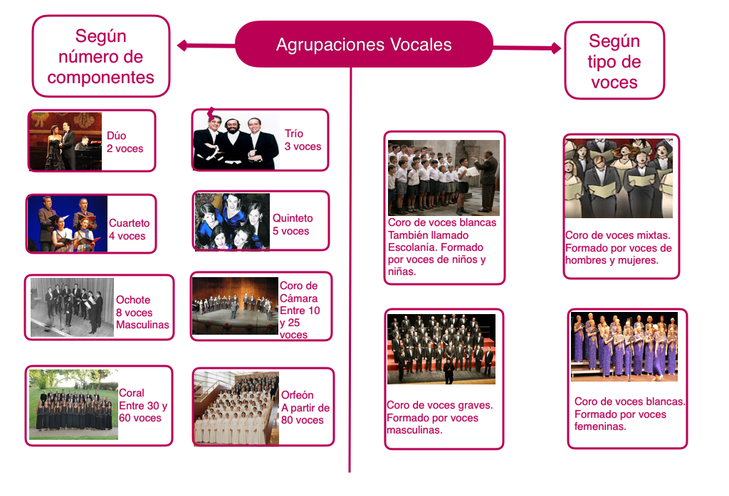
http://popplet.com/app/#/179345
EXAMPLES OF THE VOICES:
http://mariajesuscamino.com/cuadernia/Cuadernia-Voz/
EXAMPLES OF VOCAL GROUPS:
https://www.tes.com/lessons/zHRXMFt0z9nXAA/agrupaciones-vocales-videos
THE VOCAL INSTRUMENT:
http://popplet.com/app/#/1542266
https://cmapspublic.ihmc.us/servlet/SBReadResourceServlet?
VOICES CLASSIFICATION:
http://popplet.com/app/#/213057
https://musicameruelo.files.wordpress.com/2014/01/voces.png

https://www.thinglink.com/scene/751333544260796418?buttonSource=viewLimits
What do you remember?
INTERACTIVE ACTIVITIES:
http://mariajesuscamino.com/exe/activvoz/
CROSSWORD PUZZLE:
https://www.educaplay.com/learning-resources/7277-el_instrumento_vocal.html
MATCHING GAME:
https://www.educaplay.com/learning-resources/7279-el_instrumento_vocal.html
VOICES CLASSIFICATION:
https://www.goconqr.com/es-ES/p/4417642
VOICES PUZZLE
https://www.jigsawplanet.com/?rc=play&pid=1e06321dd428
VOICE KAHOOT:
https://create.kahoot.it/share/9d3bc914-f5a3-47a7-a94b-db183b17e11e
Suscribirse a:
Entradas (Atom)